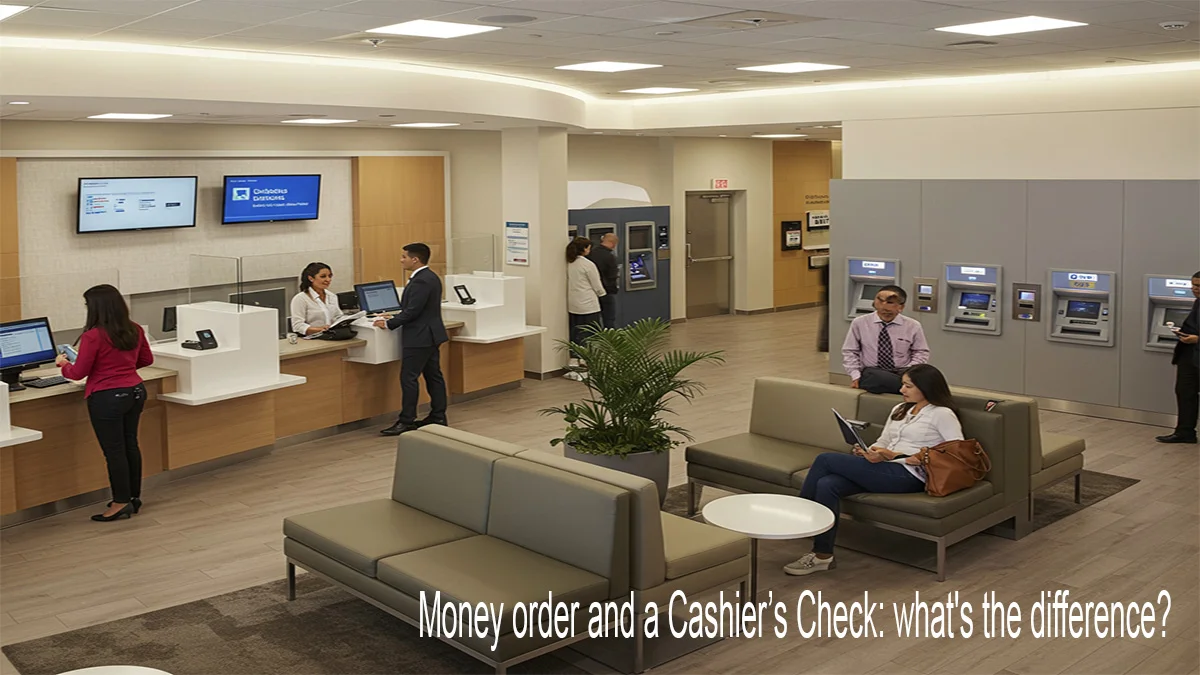
Money order and a Cashier’s Check: what’s the difference?
When it comes to secure payment methods, two options often come to mind: money orders and cashier’s checks. Both serve as reliable alternatives to cash and personal checks, but they have distinct characteristics that can influence your choice. Whether you’re paying for a service, sending money across the country, or making a significant purchase, understanding these differences is crucial. Let’s dive into the details!
Understanding Money Orders
What is a Money Order?
A money order is a prepaid payment instrument that you can purchase from various locations, including post offices, grocery stores, and convenience stores. Essentially, when you buy a money order, you pay the amount upfront along with a small fee, and in return, you receive a document that indicates the specified amount of money.
Key Features of Money Orders:
- Accessibility: Money orders are widely available and can be purchased without needing a bank account.
- Limits: Most money orders have a limit of around $1,000. This means if you need to send more than that amount, you’ll have to purchase multiple money orders.
- Security: They are safer than cash since they are traceable; if lost or stolen, they can usually be canceled or replaced.
When to Use a Money Order
Money orders are ideal for smaller transactions or situations where you don’t have access to a bank account. They’re commonly used for:
- Paying rent
- Sending remittances
- Making purchases where personal checks aren’t accepted
Exploring Cashier’s Checks
What is a Cashier’s Check?
A cashier’s check is issued by a bank on behalf of the buyer and draws funds directly from the bank’s own funds rather than the individual’s account. This makes cashier’s checks particularly trustworthy because they guarantee payment.
Key Features of Cashier’s Checks:
- Trustworthiness: Because they are backed by the bank itself, cashier’s checks are often considered more reliable than personal checks.
- Higher Limits: Unlike money orders, there is typically no upper limit on the amount you can write on a cashier’s check (though banks may have their own policies).
- Bank Account Requirement: You generally need an account with the issuing bank to obtain a cashier’s check.
When to Use a Cashier’s Check
Cashier’s checks are perfect for larger transactions or when dealing with high-value purchases such as:
- Buying a car
- Real estate transactions
- Any situation requiring secure payment assurances
Key Differences Between Money Orders and Cashier’s Checks
Now that we’ve explored each payment method individually let’s break down their differences in a clear comparison:
| Feature | Money Orders | Cashier’s Checks |
|---|---|---|
| Availability | Widely available at various locations | Issued primarily by banks |
| Payment Limits | Typically capped at $1,000 | Usually no limit on amount |
| Need for Bank Account | No bank account required | Generally requires an account |
| Security Level | Secure but less trusted than cashier’s checks | Highly trusted due to bank backing |
| Fees | Generally lower fees | May incur higher fees |
## How a Cashier’s Check Works
Cashier’s checks offer numerous benefits for secure transactions and can be an excellent alternative to personal checks and cash. However, like any financial instrument, they come with their own set of risks—particularly concerning fraud. By understanding how they work and taking necessary precautions, you can leverage the advantages while safeguarding against potential pitfalls.
Benefits of Using Cashier’s Checks
Security and Reliability
One of the most significant advantages of using a cashier’s check is security. Since the funds are guaranteed by the issuing bank, there is no risk of the check bouncing due to insufficient funds in your account. This reliability makes cashier’s checks an attractive option for substantial transactions—such as real estate purchases or vehicle sales—where both parties want assurance that payment will be received without complications.
Elimination of Overdraft Fees
When using personal checks, there exists a risk of incurring overdraft or non-sufficient funds (NSF) fees if your account balance falls short at the time of cashing or depositing. With a cashier’s check, since the funds have already been transferred to the bank’s account, you can avoid these unexpected charges entirely.
Acceptance by Businesses
Many businesses prefer cashier’s checks over personal checks or cash due to their guaranteed nature. If you’re making significant purchases or settling debts, using a cashier’s check can expedite transactions and instill confidence in both parties involved.
Potential Risks Associated with Cashier’s Checks
Despite their many advantages, it’s important to remain vigilant when using cashier’s checks. Unfortunately, they are not entirely foolproof and can be exploited by scammers.
Fraudulent Cashier’s Checks
Scammers may create counterfeit cashier’s checks that appear authentic at first glance. In such cases, an unsuspecting individual might deposit this fraudulent check into their bank account only to discover weeks later that it was fake. By then, they could have already spent some or all of those funds, leading to potential financial loss and legal complications.
To protect yourself from falling victim to fraud, always verify any cashier’s check you receive before proceeding with a transaction. Contact the issuing bank directly using official contact information rather than relying on details provided by the individual who gave you the check.
Comparing Cashier’s Checks and Certified Checks
While both cashier’s checks and certified checks offer advantages over personal checks, there are significant differences that can influence which one is appropriate for your situation:
- Source of Funds: The primary distinction lies in where the funds originate. A cashier’s check is backed by the bank’s own funds, whereas a certified check is backed by your individual account balance.
- Risk Levels: Cashier’s checks carry less risk for recipients because they are guaranteed by the issuing bank. Conversely, certified checks can still bounce if there are issues with your account.
- Usage Scenarios: Cashier’s checks are often required for larger transactions due to their security features, while certified checks may be sufficient for smaller sums where both parties trust each other.
- Costs: Typically, banks charge a fee for both types of checks; however, fees may vary significantly based on institution policies and locations.
How a Money Order Works
A money order is a prepaid payment method that allows you to send funds securely. Unlike personal checks, which can bounce if there are insufficient funds in your account, money orders are guaranteed funds. This means that once you purchase a money order with cash or other accepted payment methods, the recipient can be assured that the funds are available.
How to Purchase a Money Order
Purchasing a money order is straightforward and can be done at various locations. You can acquire money orders from:
- Banks
- U.S. Postal Service locations
- Convenience stores
- Drug stores
- Grocery stores
- Check-cashing companies
When buying a money order, you must pay with cash, a debit card, or traveler’s checks. It’s important to note that credit cards cannot typically be used for this transaction as it may be treated as a cash advance.
Fees Associated with Money Orders
While buying a money order does incur fees, these costs are generally low compared to other payment methods. The fee can range from less than $1 to about $5 depending on the amount of the money order and where you purchase it. It’s wise to compare fees across different vendors to ensure you’re getting the best deal.
Benefits of Using Money Orders
One of the primary advantages of using money orders is their safety compared to personal checks. Since they represent guaranteed funds, recipients can have peace of mind knowing that their payment will not bounce. Additionally, if you need to send payments through the mail or make payments to individuals or businesses without access to electronic payment systems, money orders provide an excellent alternative.
Another benefit is their accessibility; as mentioned earlier, money orders can be purchased at various locations including banks and retail outlets. Many of these establishments also offer services for cashing the money orders they issue, or you can easily deposit them into your bank account.
The Replacement Process: Money Orders vs. Cashier’s Checks
One of the most critical aspects to consider when choosing between these two payment methods is how easy it is to replace them if they go missing.
Replacing a Money Order
If you lose a money order or it gets stolen, replacing it can be relatively straightforward. Typically, all you need to do is return to the location where you purchased the money order with your receipt. Most issuers will allow you to request a replacement or refund on-site. Although there may be a small fee associated with this service, you can usually receive your new money order immediately. This quick resolution can be especially beneficial in urgent situations where time is of the essence.
Replacing a Cashier’s Check
In contrast, replacing a lost or stolen cashier’s check involves a more complex process. You must initiate a request with your bank to issue a new check; this often requires presenting identification and providing details about the original check. Additionally, banks frequently require customers to purchase an indemnity bond—an insurance policy that protects them should the lost cashier’s check resurface after reissuance. This extra layer of protection can make the process cumbersome and time-consuming.
Furthermore, it can take anywhere from 30 to 90 days for banks to issue a new cashier’s check after you’ve filed your request due to their internal policies and procedures. For individuals who depend on timely payments or transactions, this delay can create unnecessary complications.
Why Ease of Replacement Matters
The ability to quickly replace lost or stolen payment instruments directly impacts financial transactions’ efficiency and security. When dealing with urgent payments—such as rent or bills—the prolonged waiting period associated with replacing cashier’s checks can lead to financial strain or missed deadlines.
Conversely, money orders offer peace of mind due to their simpler replacement process. Individuals can feel confident knowing that if something goes awry with their payment method, they have a more accessible solution at hand.
What’s the Maximum Amount a Money Order Can Be Purchased For?
When it comes to purchasing a money order in the United States, there are specific limits that you should be aware of. As of 2023, the maximum amount for a money order issued by reputable providers such as the U.S. Postal Service, MoneyGram, or Western Union is capped at $1,000. However, it is essential to note that if you are purchasing a money order from a retailer, different limits may apply. These amounts can vary significantly based on the retailer’s policies and may be adjusted annually. Therefore, always check with your chosen provider before making a purchase to ensure you understand their specific limits.
How Can I Verify That a Cashier’s Check Isn’t Fraudulent?
Cashier’s checks are often perceived as safer than personal checks; however, they can still be subject to fraud. If you receive a cashier’s check from an unfamiliar source and want to verify its authenticity before accepting it for payment or cashing it, it is vital to take precautionary measures. The best practice is to contact the bank that issued the check directly. By doing so, you can confirm whether the check is legitimate and whether the funds are available for withdrawal. This step is crucial in protecting yourself from potential scams that may result in significant financial loss.
How Can I Cancel a Cashier’s Check?
In unfortunate circumstances where your cashier’s check becomes lost or stolen, it’s imperative to act swiftly to prevent any unauthorized use. The first step is to contact the issuing bank immediately. They will guide you through their specific procedures for canceling the check. Typically, you will need to submit a written statement known as a declaration of loss. Once reported, if someone attempts to cash or present that check fraudulently—especially if they are not the intended recipient—the bank has grounds to decline honoring it. Taking quick action not only safeguards your funds but also ensures peace of mind.
Conclusion
Both money orders and cashier’s checks serve essential roles in facilitating secure transactions but cater to different needs based on transaction size, availability of banking services, and level of security required. Understanding these differences enables you to make informed decisions about which payment method best suits your situation.
If you find yourself needing to send or receive payments securely in the future, take time to evaluate whether a money order or cashier’s check aligns with your requirements. Best regards, Finance Mate Club