Expanding Access to Economic Data: The Partnership between the Federal Reserve Board and FRED
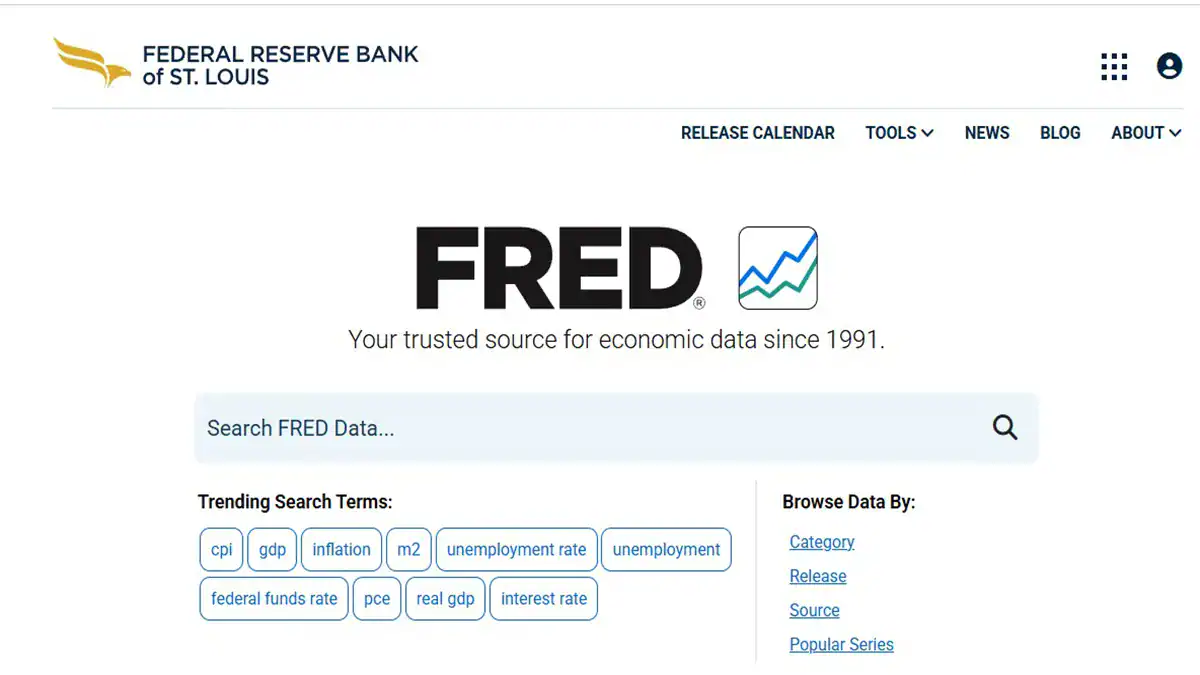
In an era where data drives decision-making, accessibility and clarity of economic information have never been more crucial. The partnership between the Board of Governors of the Federal Reserve System and the Federal Reserve Bank of St. Louis’s Federal Reserve Economic Data (FRED) program aims to enhance the way users can find, access, and visualize data from the Board’s Data Download Program (DDP). This collaboration not only represents a significant step towards democratizing economic data but also enhances the tools available for researchers, policymakers, and the public to make informed decisions.
Understanding the Data Download Program (DDP)
The Data Download Program is a vital resource that provides comprehensive datasets related to various aspects of the U.S. economy. It includes critical information on transactions and levels of financial assets and liabilities segmented by sector and financial instrument. The DDP offers full balance sheets—including net worth—for households, nonprofit organizations, nonfinancial corporate businesses, and nonfinancial noncorporate businesses. Additionally, it encompasses Integrated Macroeconomic Accounts and other supplemental details that contribute to a holistic view of the U.S. financial landscape.
By integrating these datasets into FRED, users will benefit from an improved interface that allows for better data manipulation and visualization. This initiative signifies a commitment to transparency in economic reporting while empowering users with tools that help them grasp complex financial concepts easily.
The Role of FRED in Economic Research
FRED has established itself as a premier platform for accessing economic data. With its user-friendly interface, advanced visualization capabilities, and extensive library of datasets, FRED has become an indispensable tool for economists, analysts, educators, and students alike. By incorporating DDP data into FRED’s offerings, users will be able to leverage powerful analytical tools that provide deeper insights into economic trends.
The collaboration allows researchers to create compelling visual representations of data that can illustrate key trends over time or compare different sectors’ performance. With features like customizable graphs and interactive charts, FRED is well-positioned to serve as a central hub for economic analysis.
Benefits of the DDP-FRED Partnership
- Enhanced Accessibility: One of the primary goals of this partnership is to make complex economic data more accessible. By integrating DDP datasets into FRED’s existing framework, users can easily navigate through vast amounts of information without needing specialized knowledge or skills.
- Improved Visualization Tools: The ability to visualize data effectively is essential for understanding trends and patterns within economic datasets. This partnership enhances the visualization capabilities available on FRED, allowing users to create customized charts tailored to their specific research needs.
- Comprehensive Economic Insights: By offering seamless access to both macroeconomic accounts and detailed financial statistics across various sectors, this initiative allows for a more nuanced understanding of economic dynamics in real-time.
- Support for Informed Decision-Making: As policymakers increasingly rely on robust data when formulating strategies or interventions, enhanced access through platforms like FRED ensures they are making decisions based on reliable information backed by comprehensive datasets.
Understanding the Latest Z.1 Release
The recent release of the Z.1 report from the Federal Reserve marks another significant update in this realm, incorporating revisions, structural changes, and enhancements aimed at providing a clearer and more comprehensive view of financial accounts.
One of the standout features of this Z.1 release is its emphasis on transparency and accessibility. The “Release Highlights” section of the publication outlines the major changes that have been implemented. These modifications are not merely cosmetic; they reflect a broader commitment to improving data integrity and user experience. By integrating user feedback and leveraging advancements in data collection methods, the Federal Reserve aims to ensure that stakeholders have access to accurate and timely information.
The online Financial Accounts Guide hosted at www.federalreserve.gov/apps/fof/ serves as an invaluable resource for those looking to understand these changes in depth. It provides detailed explanations of the revisions made, along with context that helps clarify their significance within the larger framework of financial reporting.
Structure of the Z.1 Release
For those accustomed to navigating financial data, understanding the new file structure is crucial. The Z.1 release now consists of a single PDF document accompanied by corresponding HTML tables, which facilitate easier access to specific data points without having to sift through extensive text. Additionally, a set of compressed CSV files has been provided alongside data dictionary text files. This new format not only enhances usability but also allows for seamless integration into analytical tools commonly used by finance professionals.
The availability of these resources through the Federal Reserve Data Download Program (DDP) means that users can access all data immediately upon release—eliminating unnecessary delays in obtaining critical information.
Looking Ahead: Next Release Date
As we look forward to future updates, it’s important to mark your calendars: the next Z.1 release is scheduled for Thursday, December 11, 2025, at 12:00 noon. Staying informed about these releases ensures that individuals and organizations can adapt their strategies based on the most current financial data available.
In summary, the latest Z.1 release from the Federal Reserve represents a significant step forward in terms of accessibility and clarity within financial reporting. By focusing on user needs and enhancing the structural framework of data presentation, this update equips stakeholders with better tools for analysis and decision-making.
Whether you are finance professionals, researchers, or simply interested parties—to explore these new resources actively. Visit www.federalreserve.gov/apps/fof/ for comprehensive insights into the latest revisions and make sure you download the updated datasets from the DDP for your research or projects.
Conclusion
The collaboration between the Federal Reserve Board’s DDP and FRED marks a pivotal moment in how economic data is accessed and utilized. By improving accessibility and visualization options, this partnership empowers users with the tools needed to analyze complex financial information effectively. As we continue navigating through an increasingly data-driven world, initiatives like this play a vital role in fostering transparency and informed decision-making across all sectors.
Call to Action
To explore these new features firsthand, visit FRED’s website today! Dive into a wealth of economic data at your fingertips—whether you’re a researcher seeking insights or simply someone interested in understanding more about our economy’s dynamics. Engage with this invaluable resource and unlock new avenues for your research or personal knowledge!